Table of contents
Forestry and land clearing have always demanded both efficiency and safety. With advances in equipment, telescopic poles are transforming how these tasks are performed, making work less strenuous and extending reach to new heights. Explore how these innovative tools are reshaping forestry and clearing operations, and learn why they have become indispensable in modern forest management.
Maximizing reach and efficiency
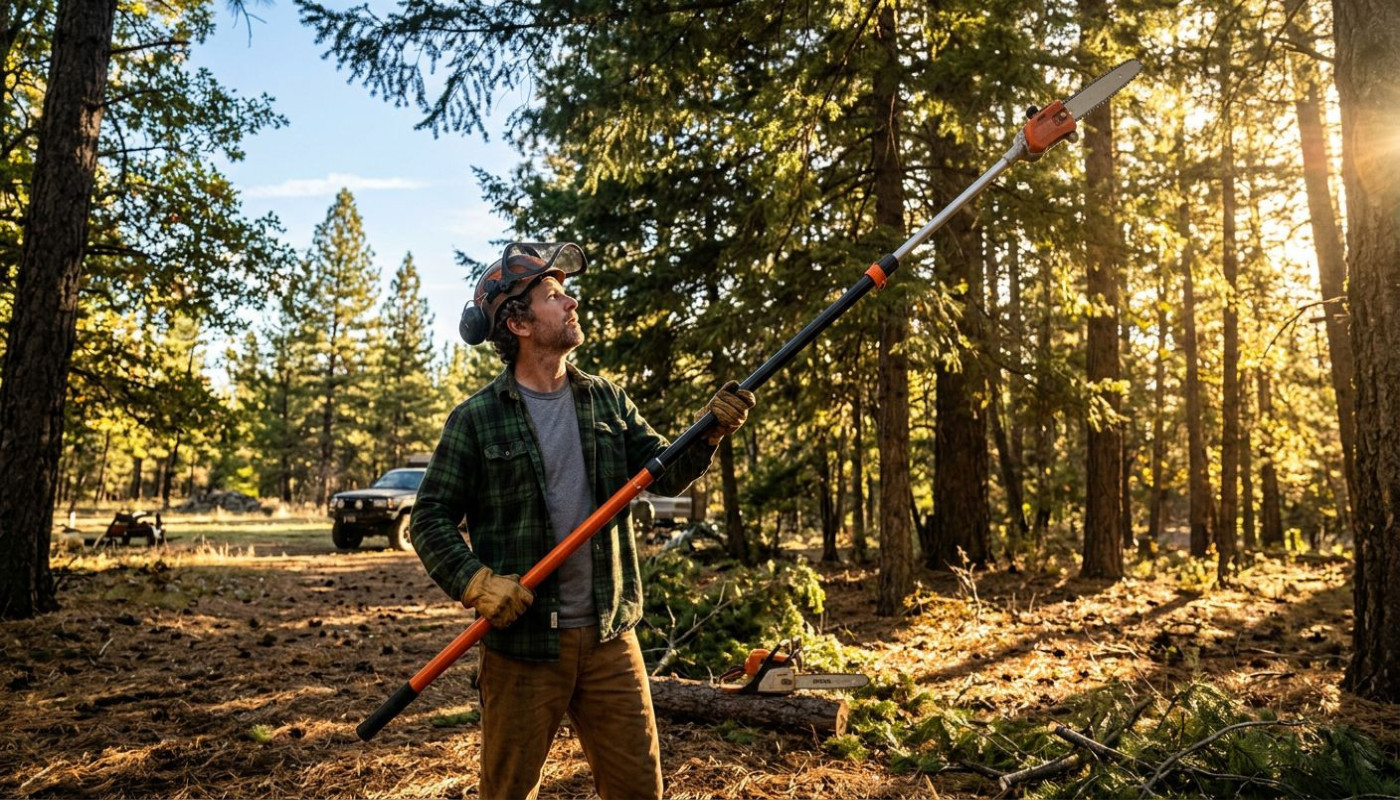
Telescopic poles have become indispensable forestry tools, primarily due to their ability to provide significant reach extension for professionals working in demanding environments. By utilizing telescopic extension, users can access high branches and navigate dense vegetation without resorting to ladders or climbing, significantly minimizing fall risks and physical strain. The adjustable length of these poles allows for precise manipulation, enabling safe clearing of overhead obstacles while maintaining a stable position on the ground. Ergonomic equipment design further enhances output by reducing fatigue and improving control, making extended tasks more manageable and efficient. Many modern telescopic pole systems are crafted with lightweight, durable materials, supporting prolonged use and adaptability in various forestry conditions.
In the world of forestry tools, the integration of telescopic extension technology has revolutionized both work speed and safety, enabling teams to complete clearing operations more rapidly and with reduced injury risk. This innovation is particularly valuable when clearing around power lines or handling storm-damaged trees, where accessibility and safety are paramount. For those interested in exploring advanced solutions for reach extension and safe clearing, my site offers a comprehensive selection of ergonomic equipment tailored to professional forestry needs.
Improving worker safety standards
Telescopic poles play a transformative role in raising forestry safety standards by providing operators with the ability to manage tasks from a safe distance. Utilizing a telescopic pole for activities such as safe tree trimming allows workers to avoid direct contact with hazardous areas, significantly decreasing the chance of physical accidents and exposure to occupational hazard mitigation concerns. By staying on the ground and handling equipment at height remotely, the risk reduction for falls is substantial, as workers no longer need to climb ladders or unstable trees. These tools also protect forestry staff from dangerous wildlife and toxic plant exposure, which are common threats during traditional clearing operations. The implementation of telescopic poles directly supports compliance with modern safety regulations, facilitating accident prevention and ensuring that forestry teams adhere to strict guidelines designed to safeguard health and well-being in the field.
Versatility for multiple applications
Telescopic poles have become the preferred versatile forestry tool for professional clearing operations, largely due to their adaptability and support for a modular attachment system. This innovative design allows a single telescopic pole to function as multipurpose equipment, seamlessly switching between forestry attachments such as precision pruning saws, fruit pickers, and debris hooks. For crews tasked with varied forestry challenges, the ability to quickly interchange tools on-site not only streamlines workflow but also reduces the need to transport multiple single-purpose implements. This efficiency translates to significant time savings and lower operational costs, while ensuring that workers always have the optimal tool at hand for each unique situation. The modular attachment system further increases safety, as specialized attachments are engineered to fit securely, minimizing the risk of accidents during demanding professional clearing tasks. This adaptability results in a flexible workforce, ready to tackle any forest environment with improved productivity and consistent results.
Enhancing productivity in clearing tasks
Telescopic poles bring a significant boost to land clearing operations by enabling workers to manage brush removal and site preparation tasks with greater reach and control. Their adjustable length allows efficient forestry teams to access hard-to-reach branches, dense undergrowth, and tangled debris without the need for ladders or heavy machinery in sensitive areas. By integrating telescopic poles into the mechanized clearing process, teams can address fallen trees and thick vegetation swiftly, which streamlines site preparation for reforestation or construction projects. This efficiency translates to noticeably faster project completion and a marked reduction in labor expenses, as fewer workers are required to handle large areas and safety risks are diminished. The versatility of the telescopic pole in brush removal ensures that clearing tasks can adapt to varying terrain and vegetation density, making it a preferred tool for professionals focused on both productivity and cost-effectiveness in land clearing operations.
Minimizing environmental impact
The application of telescopic pole technology in forestry operations brings a transformative approach to sustainable forestry. Through targeted vegetation management, these eco-friendly tools enable workers to reach and trim specific branches or invasive species without disturbing the surrounding canopy or undergrowth. This precision supports selective clearing practices that safeguard native species and minimize the risk of accidental damage to the local flora and fauna. By addressing only the intended vegetation, telescopic poles help maintain ecosystem balance and reduce the footprint of forestry activities, exemplifying a low-impact forestry method that aligns with modern environmental standards.
Using telescopic pole systems empowers forestry professionals to perform tasks such as pruning, thinning, or clearing with heightened accuracy, which translates to less mechanical disturbance and lower soil compaction. Since these tools often eliminate the need for heavy machinery, they help preserve sensitive habitats and reduce noise pollution, further protecting wildlife. In this way, the adoption of telescopic poles directly contributes to the preservation of biodiversity, helping ensure that forest environments remain resilient against external pressures and degradation.
The integration of telescopic poles into forestry workflows marks a significant advancement for sustainable forestry initiatives. Their role in facilitating selective clearing and targeted vegetation management not only enhances operational efficiency but also demonstrates a commitment to environmental stewardship. By prioritizing low-impact forestry practices, professionals can balance economic objectives with the ongoing health and regeneration of forest ecosystems, supporting both present needs and the well-being of future generations.
Similar articles

How Virtual Asset Ownership Is Reshaping Online Gaming?

Exploring The Impact Of AI On Modern Email Marketing Strategies?

What is BOTNATION AI and how does it work ?
