Table of contents
In the dynamic world of online gaming, the concept of virtual asset ownership is transforming the player experience in unprecedented ways. Virtual assets, once simple in-game items, have evolved into valuable commodities with real-world implications. Explore how this emerging trend is not only redefining digital economies but also unlocking fresh opportunities and challenges for gamers and developers alike.
Virtual asset fundamentals
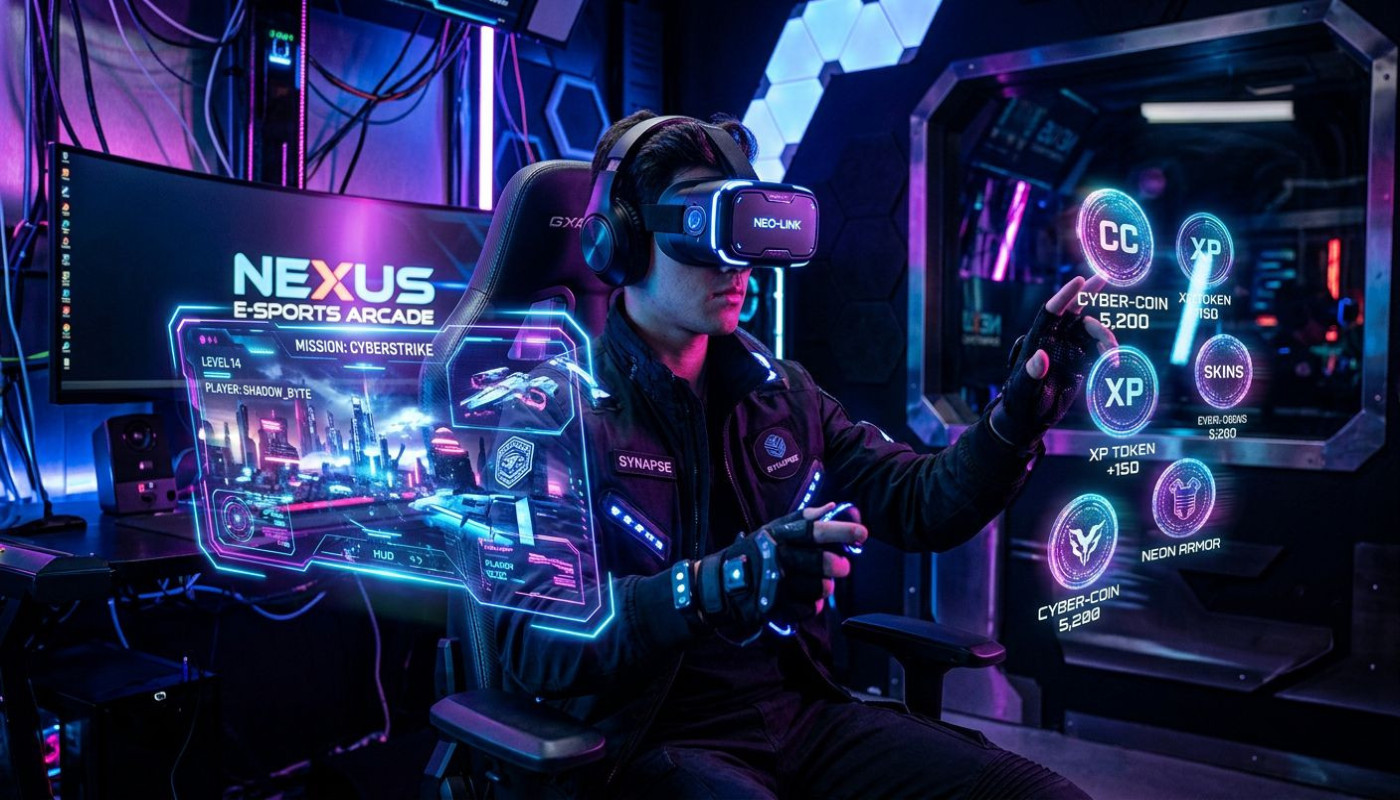
Virtual asset ownership in online gaming refers to the possession and control of digital items within a game environment, such as skins, weapons, avatars, collectibles, or even pieces of virtual land. These in-game items are acquired through gameplay, direct purchases, trading, or participation in events and promotions. Unlike traditional in-game purchases which are merely licenses for use limited to a specific game and account, true digital ownership means players can hold, sell, or trade their virtual assets freely, sometimes even outside the original game ecosystem.
One of the main drivers of this shift is blockchain technology, particularly through the innovative use of non-fungible tokens (NFTs). An NFT is a cryptographic token on a blockchain that represents a unique asset, making it possible to verify the authenticity and ownership of digital items. In contrast to fungible items, such as in-game currency which can be freely exchanged for others of the same kind, NFTs are distinct and cannot be duplicated or replaced. This uniqueness is what enables true digital ownership, empowering players with unprecedented control over their online gaming possessions.
Virtual assets have reshaped the gaming landscape by creating real economic value for digital items. Players are now able to monetize their skills and time investment by trading or selling their in-game items, sometimes for significant real-world earnings. This phenomenon has led to the growth of secondary markets, where digital ownership is protected and transactions are facilitated securely through blockchain-based platforms. As a result, the concept of virtual asset has become a central pillar of modern online gaming culture, driving player engagement and fueling new forms of in-game economies.
Specialized marketplaces and platforms, such as the cryptocubes website, have emerged to support the exchange and management of NFTs and other blockchain-based assets, providing players and collectors with tools to track, trade, and showcase their in-game items. These developments illustrate the growing impact of digital ownership in online gaming, hinting at future possibilities where virtual assets bridge the gap between entertainment and real-world value.
Economic impact on gaming
Virtual asset ownership has profoundly transformed the gaming economy, bringing about an unprecedented shift toward a player-driven economy where individuals hold true ownership of their virtual goods. Players are now able to trade, sell, and monetize their assets—ranging from rare skins to unique weapons—through a variety of online marketplaces designed to facilitate secure transactions. This ability has sparked the emergence of robust economic ecosystems within games, where supply and demand, scarcity, and even speculation play a role, much like in traditional economies. The monetization of virtual goods not only provides gamers with opportunities for financial gain but also incentivizes greater engagement and investment of time and resources into gaming communities.
The rise of online marketplaces dedicated to gaming assets has introduced new business models and income streams, challenging developers to rethink how they structure in-game economies and maintain balance. A player-driven economy can lead to increased game longevity and community involvement, as the value of virtual goods persists beyond the confines of the game itself. For developers, this environment introduces both opportunities—such as transaction fees, enhanced player retention, and secondary market support—and challenges, including regulatory compliance and asset security. For gamers, the gaming economy now offers possibilities for entrepreneurial activity, allowing hobbies to become lucrative ventures and adding a layer of real-world significance to digital achievements.
Enhancing player engagement
Virtual asset ownership significantly increases player engagement and player investment within online games by leveraging the unique appeal of digital scarcity and collectible items. The concept of digital scarcity, where items are limited in availability, taps into intrinsic psychological triggers such as desire for exclusivity and status. Players experience heightened gaming motivation as they pursue rare or visually distinct items, creating a sense of achievement and identity within their gaming communities. This desire to collect and showcase unique digital items often transforms in-game assets into symbols of personal progress or social standing, deepening emotional attachment to the gaming experience.
Social factors also play a pivotal role, as owning sought-after collectible items can strengthen social bonds, encourage collaboration, and even foster competition among peers. The ability to display or trade virtual assets introduces opportunities for recognition and admiration, further intensifying player investment. As players become more emotionally and socially connected to the value of their virtual possessions, their overall engagement with the game ecosystem grows, driving longer play sessions, increased community participation, and sustained interest in ongoing game developments.
Challenges and security concerns
Virtual asset ownership in online gaming introduces significant virtual asset risks that require robust asset security measures. As digital items gain real-world value, the threat of online fraud escalates, with malicious actors exploiting vulnerabilities to steal, duplicate, or manipulate virtual assets. Hacking incidents frequently target both individual users and gaming platforms, aiming to gain unauthorized access to valuable collections and in-game currencies. Additionally, the increasing overlap between user-generated content and proprietary elements gives rise to intellectual property disputes, especially when in-game items are traded or modified across global marketplaces. The rapid development of these digital economies places growing pressure on developers and players alike to understand and manage these risks.
One of the most advanced solutions for enhancing asset security within this context is the implementation of blockchain security. Blockchains function as decentralized ledgers that record every transaction or transfer of virtual assets in a transparent and immutable way. This prevents unauthorized alterations and offers traceability, making it significantly harder for hackers to forge ownership or manipulate asset histories. Blockchain security leverages cryptographic techniques to verify identities and transactions, providing users with confidence that their assets cannot be easily counterfeited or stolen. In the gaming sphere, this technology not only minimizes online fraud but also provides a secure environment for peer-to-peer trading, which is a growing expectation among players.
Intellectual property remains a persistent challenge in the landscape of virtual asset ownership, as the lines between original content, user modifications, and platform rights are often blurred. Platforms must balance the need to protect their own creations while allowing users to generate and trade unique in-game items. Disputes arise when users attempt to monetize or transfer assets that may contain copyrighted material or infringe on proprietary rights, leading to legal and ethical complications. To safeguard the interests of all parties, industry leaders are investing in advanced monitoring tools and legal frameworks that work in tandem with blockchain security protocols, aiming to create a sustainable and protected digital asset ecosystem for the future of online gaming.
The future of virtual assets
The future of gaming is rapidly evolving as virtual assets become central to the digital experience, with gaming innovation accelerating on multiple fronts. Upcoming years are expected to see significant advancements in interoperability, allowing players to seamlessly move skins, weapons, avatars, and other virtual assets across diverse platforms and game ecosystems. This evolution will be driven by integration with blockchain technology, decentralized identity solutions, and smart contracts, which offer enhanced security, ownership verification, and transparency. Regulatory developments will play a pivotal role, as governments and industry bodies are likely to introduce frameworks to protect players, ensure fair trade, and clarify asset rights, fostering trust and encouraging mainstream adoption.
As the digital evolution continues, virtual assets will not only retain value within games but also become part of a broader metaverse economy, where digital ownership translates to real-world opportunities. Developers are already experimenting with cross-game marketplaces and NFT-based assets that can be used in multiple titles, pointing toward a more connected and open gaming environment. AI-driven personalization and cloud gaming platforms will further enhance the utility of virtual assets, enabling dynamic experiences tailored to individual preferences. The future of virtual asset ownership in online gaming promises not just new forms of engagement and revenue, but a transformative shift in how individuals interact, socialize, and express themselves in digital worlds.
Similar articles

How Do Telescopic Poles Enhance Forestry And Clearing Tasks?

Exploring The Impact Of AI On Modern Email Marketing Strategies?

What is BOTNATION AI and how does it work ?
